The Global English Camp Program: City, Country, and Community
A balance between the city and the outdoors is something I valued the most during my summer teaching English in Japan. From the brightly lit, bustling streets of Tokyo to the quaint, mountainous region of Hakone, I was able to experience the best of both worlds in two different prefectures.
One of my favorite memories of Japan was our group retreat at Ashinoko Camp Mura in Hakone where we travelled from Tokyo by train, bus, and pirate ship. With cabins closely neighboring Lake Ashi, my surroundings were nothing short of idyllic. I bonded with a lot of the interns as we roamed the grounds, battled the humidity, and barbequed the night away.
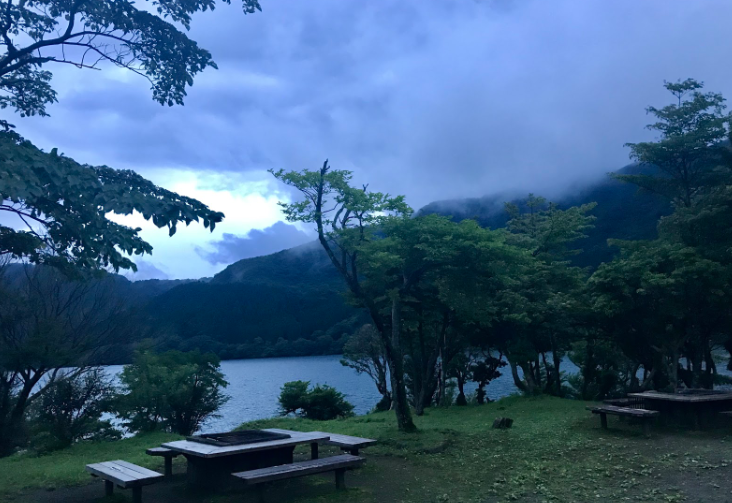
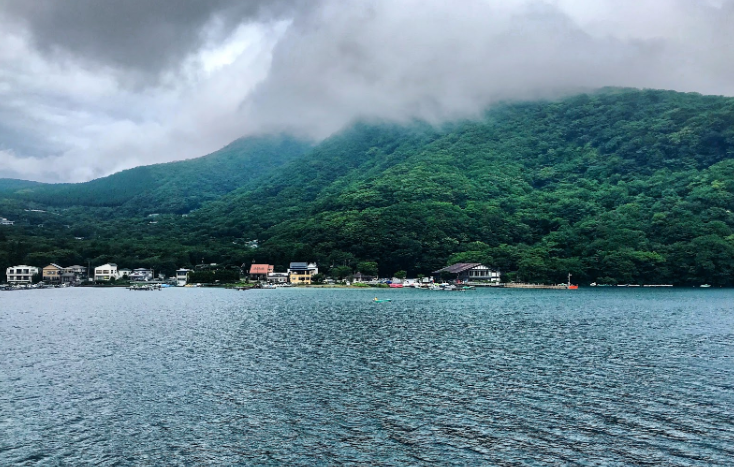
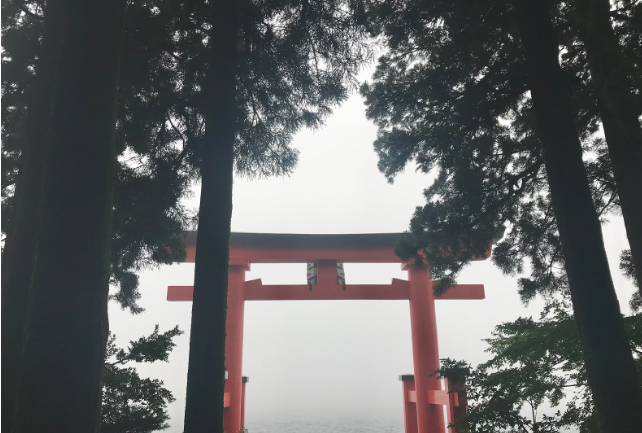
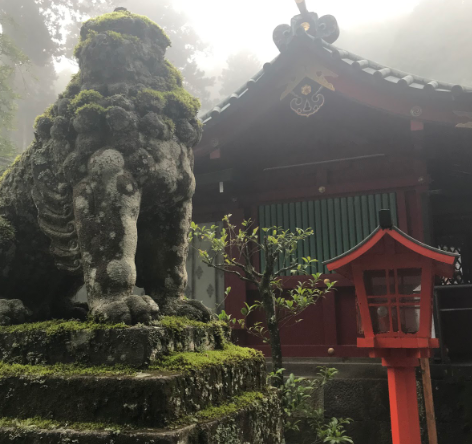
Prior to our arrival, I visited the famous Hakone Shrine and red Torii Gate. Surrounded by luscious greenery, people from all around the world come to visit this landmark. If you come at the right time of year, you might witness a breathtaking view of Mount Fuji in the distance.
While in Tokyo, I visited Harajuku, Shinjuku, and Shibuya, all of which had their own flair and gave me a taste of city life in Japan. Restaurants, boutiques, and crowds filled every corner, from Takeshita Street to Shibuya Crossing.
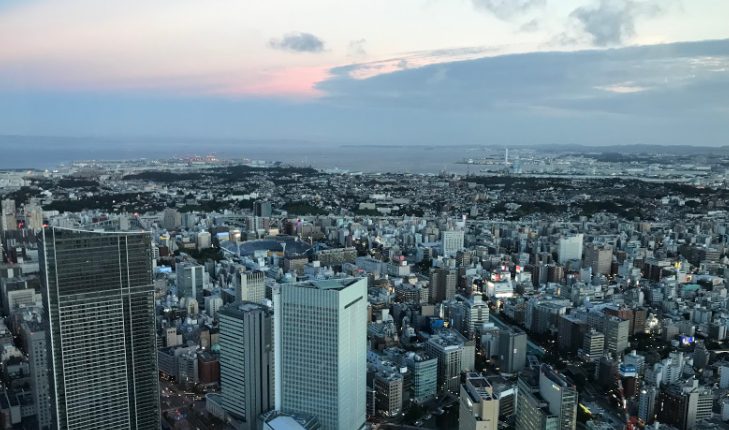
During my third week of teaching, I also stayed in Yokohama, a city approximately 45 minutes south of Tokyo. Here, I visited the Landmark Tower, shopping malls, the ramen museum, Chinatown, and had my first public bath. In all these cities, I shopped, karaoke’ed, and indulged in all the matcha treats (and classic konbini food) I could find.
Although my travels consisted of me getting lost at times, I experienced a sense of peace as I navigated the island. In relying on myself as a compass, I learned how capable and open I was to adapting to new environments. Every day was an adventure.
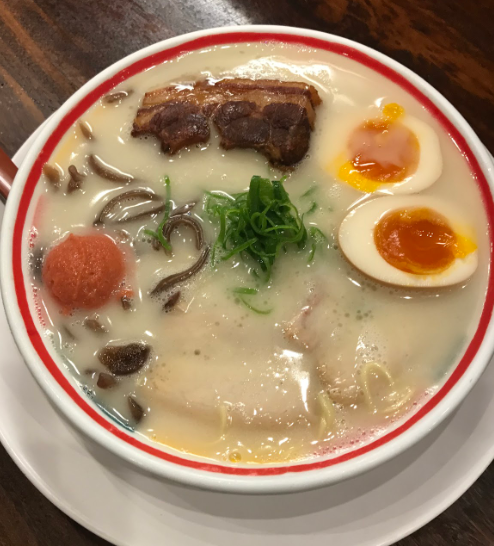
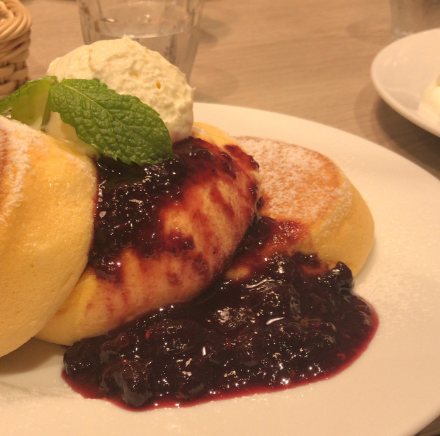
Food is also a big part of experiencing another culture. Thus, I made it my goal to eat as much as I could while abroad. From dining at ramen, udon, and sushi houses in Tokyo to trying new delicacies such as soba (chilled noodles paired with a dipping sauce), takoyaki (battered octopus balls), and traditional Japanese breakfast at my homestay, I was exposed to Japan’s rich gastronomy and unparalleled hospitality, or omotenashi.
In experiencing the various wonders of Japan, I couldn’t help but notice the sacred duty members of society hold. Japan identifies as a collectivist culture, meaning it believes in the concept of unity and being mindful of others as one goes about their daily life. Most things are intuitively grasped and are done in a ‘together-like’ fashion as a way to create oneness and community. I was a constant recipient of these kind and detailed gestures and have always deeply admired this philosophy. Being consciously aware of how our actions affect others requires us to be observant of and sensitive to our surroundings.
After five weeks of what felt like a dream, my memories of Japan have led me to create a tamagoyaki (Japanese omelette) and rice dish topped with furikake (rice seasoning) at home. It was quite the attempt as I did not have the exact kitchenware and ingredients necessary. I hope to get better in time!
This past summer would definitely not have been what it was without the welcoming spirit of the Japanese and my amazing peers and students. I am so happy to have experienced the beauty and culture of this country and look forward to returning and exploring more regions in the future.
Thank you, Global English Camp, for memories that will last a lifetime!
